Layout Image

What exactly is the purpose of your brochure? Do you want a certain reaction from its readers?

Yes, you want more business. But for your brochure to be truly effective, you’ll have to break that down. More business is the the long-term goal. What steps will a reader have to make in the short-term for that to happen?

Look at it like this:

  • They need to pick it up
  • They need to read it
  • They need to be interested
  • They need to be affected
  • They need to know what you want them to do. Call? E-mail? Visit your website? Fill out a return postcard?

Most brochures that are sitting in a stand on a counter or set out on an accent table don’t get read. They don’t. They’re still an incredible marketing method, but you only have a one in 10 chance that out of the brochures read, you’ll even get business from them. That means you need to grab and captivate your audience quickly, and then you very specifically need to guide them through the entire piece without making it feel like a chore.

Hint: Men and women process information differently. Most men scan – not read – full context information.

How will you make sure he understands that what you offer matters to him?

  • Be precise
  • Be bold
  • Speak directly to him, and
  • Use graphics

Most women, on the other hand, read emotionally. She is more likely to respond to humorous or insightful messages – messages that give her perspective validity.

  • Address the circumstance
  • Use sarcastic, cynical or endearing humor, and
  • Provide a cure

When you provide products or services that don’t cater to a specific gender, the tone, content and graphics yield better results when they’re more personal, and speak to the need a consumer has that would cause them to require your offering.

Whether selling to men, women or both, make it clear what you expect them to do with their newly-acquired information. Don’t let a sale slip through your fingers because you thought your product or service was more important than the consumer. Then request a phone call or website view so they can get more information on solving their problems.

Do you take gender into account when drafting marketing materials for your company? What did I miss? Let me know in the comments below, and feel free to hit reply in our newsletter for a personal response.

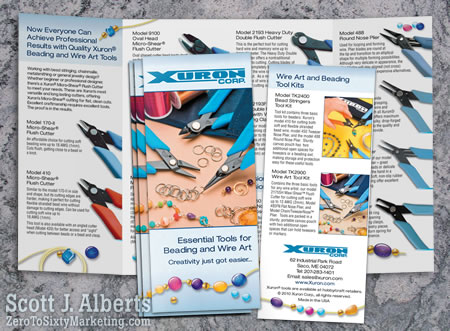
The simple answer is, “No.” Still, you’ll get conflicting opinions when it comes to how you should be reading a barrel roll trifold brochure. Accordion-fold brochures are much easier to figure out, but when faced with two panels at the same time, like the barrel-fold allows, you’re left wondering what the brochure creator’s intention was. The first two panels are a no-brainer, right? Front cover, inside front cover … then what does a reader do? Open the flap to reveal the inside of the brochure to continue reading panels left to right? Or read inside the cover, then the folded flap, then the inside?
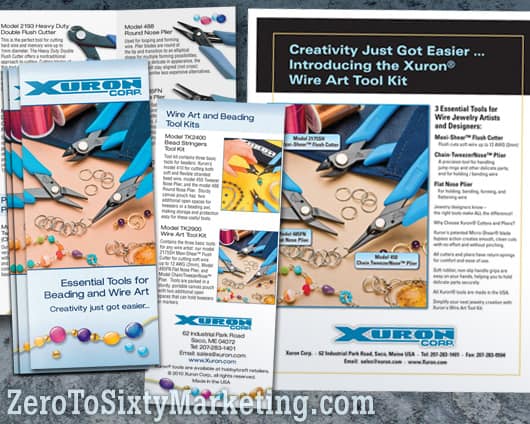
OH, brother …

When planning brochure designs, this is an important thing to consider. It can take far too much time to ponder when a deadline is hanging in the balance, so the thing to do when designing one is to decide how much of the information flows easily together on the two or three inside panels, depending on whether the business brochure is three or four panel. If you have enough information between images and text to populate the interior panels smoothly, then you can break down the rest as follows:

  • Cover – Only one purpose, to entice the reader to pick it up and open it – that’s it. It should include color and image. I like text as well.
  • Back center panel – 1/2 populated with text or image, 1/2 contact information including contact name, company name, phone, fax, email, and Website.

So what goes on the right side folded flap? Since it will be seen the minute the brochure is opened, it could introduce the subject matter. It might, however, be the last thing read, so it can also be an exit. I think it should either be compatible with the information on the inside cover or contrast entirely with it. In that way you’ll be able to direct your reader’s attention to where you intend it to go. A contrasting folded panel causes the reader to want to open it up to see the inside and come back to the folded panel later. If the text on that folded panel is a continuing thought or theme to the inside cover panel, it will be natural to read it before opening it up to reveal the inside.

Scott Alberts says Shari and I are both wrong to refer to them as a three or four panel brochures, when they really have six to eight panels en totale …

We stand corrected Scott, thank you.

Is there a right or wrong way to read a brochure? Well, don’t read it upside down:p)

Your thoughts?

When it comes to traditional print media, you really have some great choices in business brochures. So much to choose from means flexibility and options, so you should take a little time now and again to refresh your memory.

Types of Business Brochures

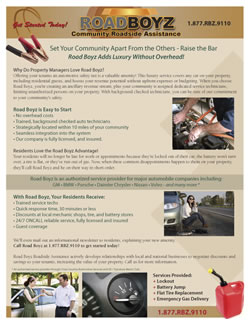
Example of a Full Color Flyer BrochureFlyer Brochure: Usually a one sided, 8.5 x 11 inch brochure designed on the front for inexpensive rendering. These can be produced from sell sheets or direct mail letters that typically sell your idea or promotion strongly through copy, print design, or both. These can be set out in bulk for viewers to grab or they can be handed out, but if folded, sealed, and addressed can be part of your bulk mailing campaign. Smaller fliers are often inserts or hand outs with a dynamic message and contact information.

Two Panel Brochure: Available in sizes 8 x 9 to 11 x 17, these are simple, allow four pages of text and design, and can offer larger text space in the page area than three panel or accordion style brochures. Professional design consideration is a must. With so much space to cover in full glossy, and the expense involved in creating these well, it simply isn’t worth it to self-manufacture when you want professional results.

TriFold Brochure Z-Fold (accordion style): These have style and an interesting manner of information disbursement. Usually a hand out or insert, these are done on a heavier brochure paper and include all pertinent information, relying on short bursts of copy and images.

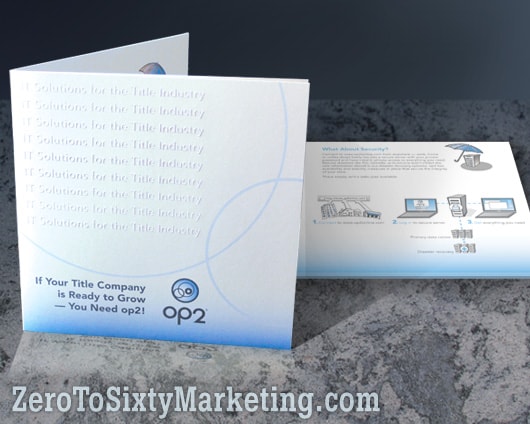
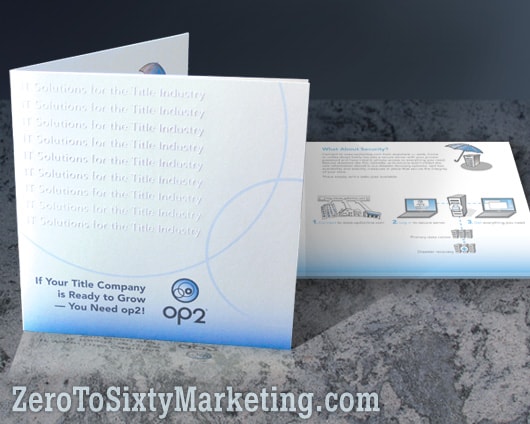
Example of a TriFold Barrel Style BrochureTriFold Barrel Style Brochure: These are similar to the Z-fold, but fold in thirds toward the center with the left side over the right. Traditional and convincing, these can be direct mailed, handed out, or stacked for bulk disbursement. Once again, deciding what goes where and how makes this a professional endeavor.

Four Panel Brochure: These are sized anywhere from 8.5 x 14 to 11 x 25.5. Larger and dynamic, these are no cheap date. Full glossy paper and professional design are a must to get this right.

Gate Fold: A gate fold is something you might see at an assisted living facility, or possibly a sales vehicle for an expensive exercise machine. Larger backside folds in from both sides to resembling a hug. These are printed vertically or horizontally, always heavy paper, always full glossy.

Remaining are the Double Parallel Fold, Parallel Map Fold, and the French Fold. All are larger and vary only in their viewing and folding sequence. These also require full glossy, heavy paper and professional scoring. After that expense, you wouldn’t want your beautiful brochures to come up flat due to poor copy or graphic design.

Make sure that everything leaving your company represents you in the best possible light. Sometimes you only get one opportunity to invite your customer into a conversational situation where you can influence the sale of your product or service. The right brochure with the right message and graphics can be the difference between that conversation happening, or not. Sales media should be carefully considered. If you have decided how you want to proceed or would like additional consultation about your professional brochure options, contact us today!