

 Strategy is integral, but you need strong branding for any strategy to be effective.
From where we sit, we see companies growing and evolving to accommodate their new ideas and bigger visions. It’s exciting to watch businesses grow in defiance of what the news media hands out on silver platters. It makes dramatic story lines, and we should listen with compassion, but those stories don’t have to shape your reality.
I want to caution you, however, that growth and vision may require basic, often costly changes, that shouldn’t be ignored while you’re building. Even if your new idea is simply a better conception of a previous business, how you brand it will absolutely impact your ability to attract the customers you desire – and the ability to make the money you’re envisioning. [Read more…] about How Does Branding Impact Your Ability to Attract?



 Since, like most of us, you’re probably considering your next purchase of ad space, let’s focus on advertising today. Yes, it’s a HUGE topic, so we’re going to take it back to its most basic premise: Advertising is Salesmanship.
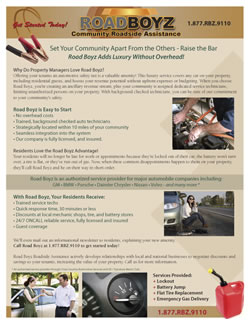
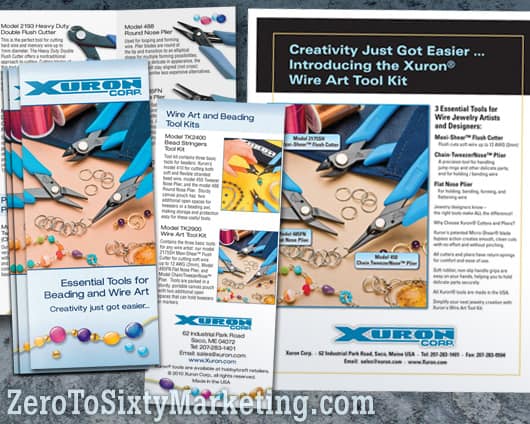 When it comes to traditional print media, you really have some great choices in business brochures. So much to choose from means flexibility and options, so you should take a little time now and again to refresh your memory.